
Corrosion Resistance: FRP for Copper Recovery Systems
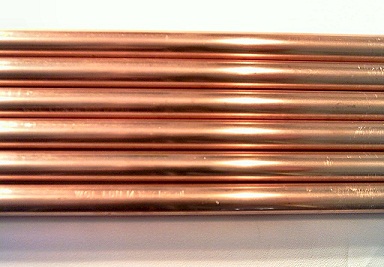 There are many advantages to using Fiber Reinforced Polymers (FRP); high strength-to-weight ratio, dimensional stability, long service life, and reduced maintenance cost—to name a few. FRP can also be formulated with enhanced properties such as corrosion and abrasion resistance and smoke and flame retardance. In many stringent industrial applications, including copper recovery, where other materials fall short FRP has the ability to endure, thrive, and perform.
FRP is commonly used as a cost-effective material solution because it can be formulated to withstand strong acids, bases, and organic compounds. Moreover, FRP is recognized as having superior corrosion resistance, when compared to specialty alloy metals, in aggressive hydrometallurgical and chemical process environments.
Copper Recovery
The copper recovery process is dynamic and has been simplified over time with the development of chemical processes and other technological advances. In copper recovery systems many of the chemicals/compounds that are used are hazardous and highly corrosive. For this reason, careful planning and thought must go into what building materials are selected for facilities. FRP has evolved in concert with the ever-changing metal and extraction industry and is now poised to fill many material niches.
In the copper recovery industry FRP is currently filling a niche as a cost-effective, corrosion resistant material, which can be utilized for many processes and applications including:
- Leaching
- Stripping
- Solvent extraction
- Sulfuric acid
- Copper sulfate electrolytes
In the copper recovery process copper is leached from ore with sulphuric acid and is easily recovered in a pure metallic form by the well known process of solvent extraction. At the center of the process is the copper recovery reagent that is used to selectively extract copper from the aqueous leach solution. In general terms, the copper recovery process can be broken down into three basic steps: leaching (sulfuric acid), solvent extraction, and stripping (high acidity coppers sulfate electrolytes). Beyond these three steps, the process of copper recovery has many areas where FRP products can be used; for example, transportation, storage, and general infrastructure needs.
FRP
FRP offers design flexibility; in metal extraction and refining industries it can be used for pipes, ductwork, tanks, solvent extraction vessels absorption towers, basins, floor coverings, grating, and electrowinning tankhouses— just to name a few. Case in point, FRP grating has been successfully used as a walkway/platform material in copper recovery systems around vats in the electrowinning process.
Whether you’re handling corrosive compounds such as sulfuric acid or high acidity extractants and stripping agents, FRP will withstand the harshest environments and is a corrosion resistant, cost-effective choice. In the metal and extractions industry FRP has a distinct advantage over metal alloys, including titanium, and rubber-lined steel with lower installation costs, reduced maintenance, and long service life proven with over 20 yrs of successful operating experience at many plants/facilities around the world.
 Sustainability is big word these days. It can mean a lot of different things, depending on the context—it can also be overused or misunderstood. In recent years the demand for more green construction or sustainable construction has been driven largely by consumers in the construction sector.
 Fiber Reinforced Polymers (FRP) and Combustion
 Hydrochloric Acid (HCL) also known as Muriatic Acid is a corrosive, stable mineral acid that is clear to slightly yellowish in color. Its versatility lends itself well to many industrial uses including hydraulic fracturing, pulp and paper, steel-making, PVC manufacturing, and chemical processing. Similarly, it’s also used in the production of high-fructose corn syrups. HCL, while being versatile and widely used is also highly corrosive which makes maintaining supply and hauling a challenge.
 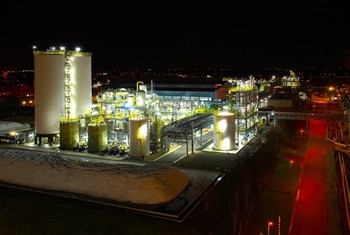 The corrosion and abrasion resistance of fiberglass reinforced plastics (FRP) make FRP ideal for handling caustic and abrasive manufacturing processes. The manufacturing of chlorine is one application where the benefits of FRP can make a large impact on the level of maintenance a facility will need and the overall efficiency of the process. To understand the impact FRP can have on chlorine manufacturing it is helpful to have an understanding of the process by which chlorine is produced.
  Now that we have covered
  In this post, the second of our