5 Things You Should Know About Corrosives and FRP
 In our last post we talked about the need for education about FRP, and now we’re putting our money where our mouth is. Here are the 5 things you need to know about FRP and corrosives.
-
When acids and bases attack and corrode metals; dangerous gases can often be given off. For example, common bases such as sodium hydroxide and potassium hydroxide in concentration have been known to attack aluminum, zinc, galvanized metal and tin and give of hydrogen gas.
FRP can be formulated to be corrosion resistant and have demonstrated long life cycles in extreme industrial environments. For example, FRP gas scrubbing systems, at a phosphate fertilizer plant, exposed to aggressive flu gases consisting of hydrochloric acid, hydrofluoric acid, and phosphate dust at 60˚ C had a service life of 50 years—stainless steel could not withstand the highly corrosive mixture. There are many more examples.
- Hydrogen gas is flammable and will burn or explode if an ignition source is present.
Because FRP will not corrode there is no risk of releasing flammable gases such as hydrogen. Hydrogen gas forms explosive mixtures with air if it is 4–74% concentrated and with chlorine if it is 5–95% concentrated. H2 mixtures can spontaneously explode by spark, heat or sunlight if proper conditions are present. H2 reacts with every oxidizing element. Hydrogen can react spontaneously and violently at room temperature with chlorine and fluorine. Why take a chance?
- Contact with corrosives can damage containers, equipment, installations, and building components made from unsuitable materials.
FRP will not corrode; it will thrive and endure in stringent conditions where other materials fall short or fail. FRP has been used successfully in a wide variety of applications in chemical processing, mining and minerals, nuclear, desalination, waste water treatment, nuclear, pulp and paper, and petrochemical.
- Some corrosives are flammable, combustible, and can easily catch fire, burn, or explode.
FRP offer versatility, durability, design flexibility and superior containment. FRP can be formulated to be corrosion and abrasion resistant, as well as, smoke and fire retardant. FRP are not combustible. FRP will not spark and will enhance the safety of your project.
- Corrosives can be incompatible with other chemicals. They may undergo dangerous chemical reactions that yield or give off toxic fumes.
Why take a chance with toxic fumes, dangerous chemical reactions, and explosions? Use the proper material to protect your equipment, installations…and your future. Protect your investments, enhance safety and employ FRP—the cost-effective choice that will solve many of your corrosion problems.
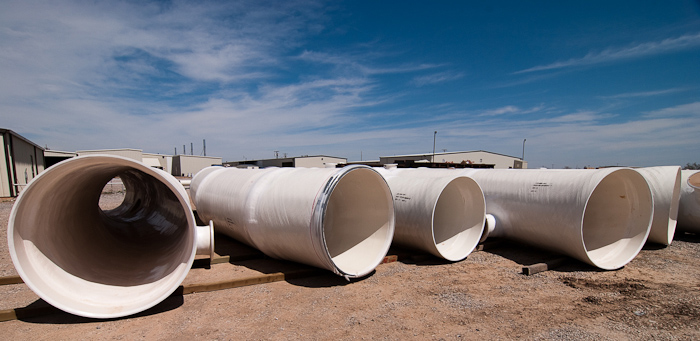 If you’ve been paying attention to fiberglass trends you’d know that corrosion, a serious problem that pits and corrodes most metals and metal alloys, has created huge market opportunities for Fiber Reinforced Polymers (FRP) including pipe, duct, and tanks. Despite the many opportunities FRP manufactures have seized over the years, some major obstacles still persist, chief among them is education—or getting the word out.
 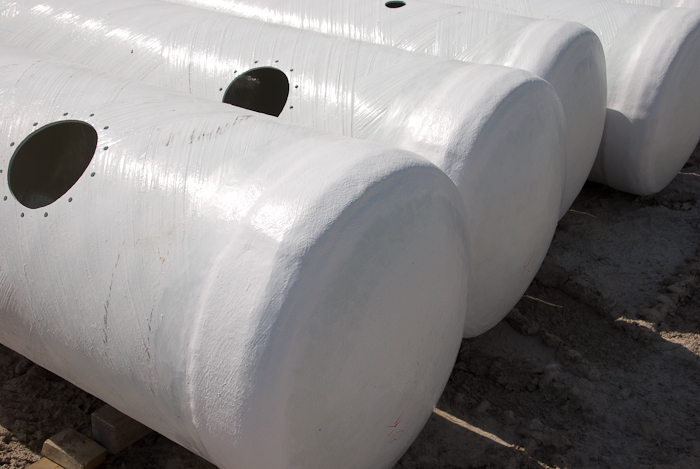 Ferric chloride or FeCl3, is an industrial scale commodity chemical compound that has many important industrial applications. When dissolved in water, FeCl3 undergoes hydrolysis and gives off heat in an exothermic reaction. The resulting brown, acidic, and corrosive solution is used as a flocculant in sewage treatment and drinking water production, and as an etchant for copper-based metals in printed circuit boards.
 Recently featured by
 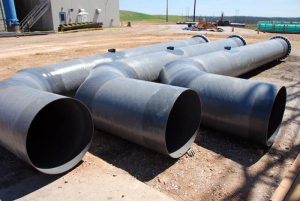 There are many applications for hydrochloric acid (HCL). From the manufacturing of high fructose corn syrup, dyes, phenols, and plastics to chemical intermediates such as ferric chloride which is used as a flocculant in sewage treatment and drinking water production.
  There are many
 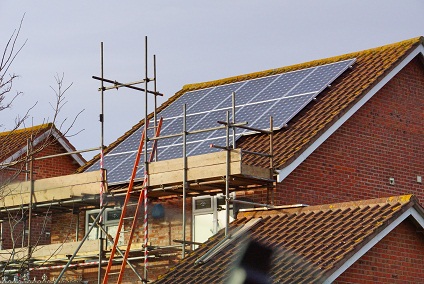 Sustainability is big word these days. It can mean a lot of different things, depending on the context—it can also be overused or misunderstood. In recent years the demand for more green construction or sustainable construction has been driven largely by consumers in the construction sector.
 Fiber Reinforced Polymers (FRP) and Combustion
 Hydrochloric Acid (HCL) also known as Muriatic Acid is a corrosive, stable mineral acid that is clear to slightly yellowish in color. Its versatility lends itself well to many industrial uses including hydraulic fracturing, pulp and paper, steel-making, PVC manufacturing, and chemical processing. Similarly, it’s also used in the production of high-fructose corn syrups. HCL, while being versatile and widely used is also highly corrosive which makes maintaining supply and hauling a challenge.